Add bedding
Moist cardboard and paper give worms a safe, airy place to live.
A simple guide for happier worms and healthier plants
Learn how to start a worm bin, keep it healthy, solve common problems, and use finished castings to help your garden grow.
Your composting helper
Eisenia fetida
55–77°F
a comfortable bin temperature
Damp
like a wrung-out sponge
Buried
food helps prevent flies
Slowly
increase feeding over time
Choose what you need
See how castings support soil structure, moisture, nutrients, and the tiny life around plant roots.
Learn what finished castings look like and how to use them safely in pots and gardens.
Set up a comfortable home, feed the right amount, and harvest with confidence.
Quick answers for smells, flies, heat, wet bedding, slow worms, and escape attempts.
How a worm bin works
Moist cardboard and paper give worms a safe, airy place to live.
Bury fruit and vegetable scraps in one pocket at a time.
Together they break food into smaller, plant-friendly material.
The finished material is dark, crumbly, and smells pleasantly earthy.
Every bin moves at its own pace. Temperature, moisture, worm population, and food choices all affect the timing.
Simple truths
Good to know
What you feed the bin and how you care for it shape the finished castings.
Use with care
Mix castings into potting soil or add a light garden top-dressing instead of filling a pot with castings alone.
Watch and learn
Start small, compare results, and adjust for your plants, soil, weather, and finished batch.
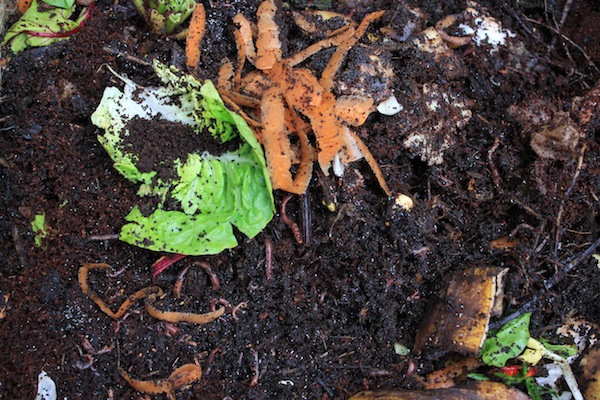
Your first week
Quick answers
The most common beginner questions, answered simply.
A healthy bin smells earthy, not rotten. Bad smells usually mean too much food, too much moisture, or too little air.
Start with small amounts of fruit and vegetable scraps, coffee grounds, and crushed eggshells. Avoid meat, dairy, oily food, and large amounts of citrus.
Keep their bedding damp like a wrung-out sponge, provide airflow, protect the bin from temperature extremes, and avoid overfeeding.
Harvest when most bedding looks dark and crumbly, smells earthy, and contains very few recognizable food scraps.
Science, made useful
Ready to begin?